Excluding mortgages, the average Brit has £15,000 to £20,000 in personal debt. Understandably, you may want to avoid such high amounts of debt, but it’s not always a bad thing. For instance, some debt can be beneficial when you want to go to university, or need some funding for a milestone in life. So long as you handle your debts wisely, then taking out things like a personal loan can be worth it. Are you wondering: should I get a personal loan? Then keep reading. We’ll discuss what a personal loan entails and when it’d be a good idea to apply for one.
Please note – this post was not written by me.
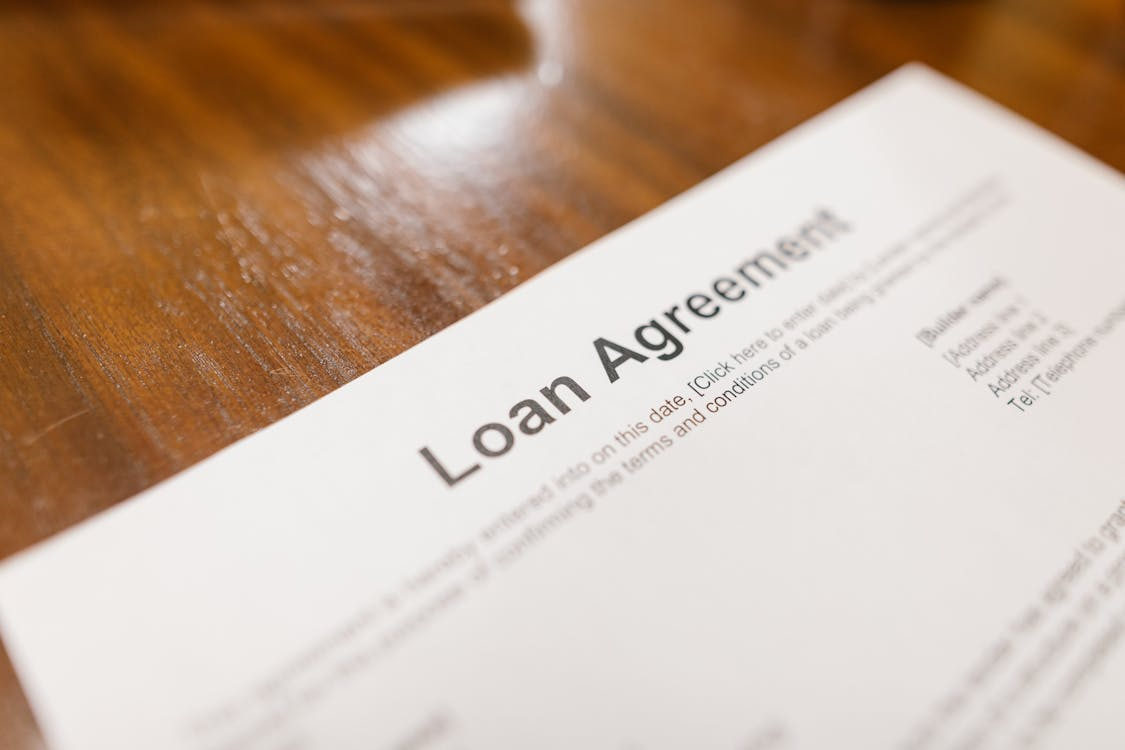
https://www.pexels.com/photo/close-up-photo-of-an-agreement-on-a-paper-7841821
What Is a Personal Loan?
Personal loans are a type of installment loan. Installment loans are ones where you borrow a certain amount of money, then pay it back within a certain time frame, plus interest. A personal loan is usually a long-term one; it normally takes at least a year to repay, with some repayment terms ranging up to 7 years. Once you’ve paid back the full amount (plus interest), your line of credit is then closed. If at the end of your loan, you need to borrow more money, you’ll have to reapply for a new personal loan. You can’t just add to the one you’ve already paid off.
Types of Personal Loans
Lenders let you borrow anywhere from a couple thousand to tens of thousands or even hundreds of thousands of dollars! Not just that, but they give you the choice between 2 types: secured and unsecured. With secured loans, you’ll have to provide collateral; you can use your savings account or a certificate of deposit (CD). Because you have collateral down, this means you’ll get better interest rates. This is because the lenders have less risk when deciding to lend you money. On the other hand, you don’t have to provide collateral with an unsecured loan. So as you can guess, the interest rates will be much higher. Most personal loans are of the unsecured type. It’s the better choice if you either don’t have collateral or are afraid of losing whatever you may have to use as collateral. You can usually get personal loans from financial institutions such as banks, credit unions, online lenders, and even peer-to-peer lenders. Expect interest rates ranging from 5% to 36%, depending on your credit score, where you apply, and what type of personal loan you want.
When You Want to Consolidate Your Debts
If you’re like many Brits, you probably have multiple lines of credit open. A few credit cards here and there, and it can get hectic to keep track of. Not to mention, you probably have some less than ideal interest rates on them. In the majority of cases, a personal loan will have a much lower interest rate than your credit cards do. So a personal loan can enable you to pay off all those balances. In the end, all you’ll have to worry about is paying off the personal loan, which will have lower repayment terms.
Leave a Reply