Maintaining good health often involves focusing on diet and exercise, but one of the most significant factors in our long-term vitality lies deep within our digestive system. The health of your gut influences everything from your mood and immune response to your overall energy levels. Understanding how to support your digestive system is a key step toward a healthier life.
Please note – this post is a guest blog, not written by Daisarella.
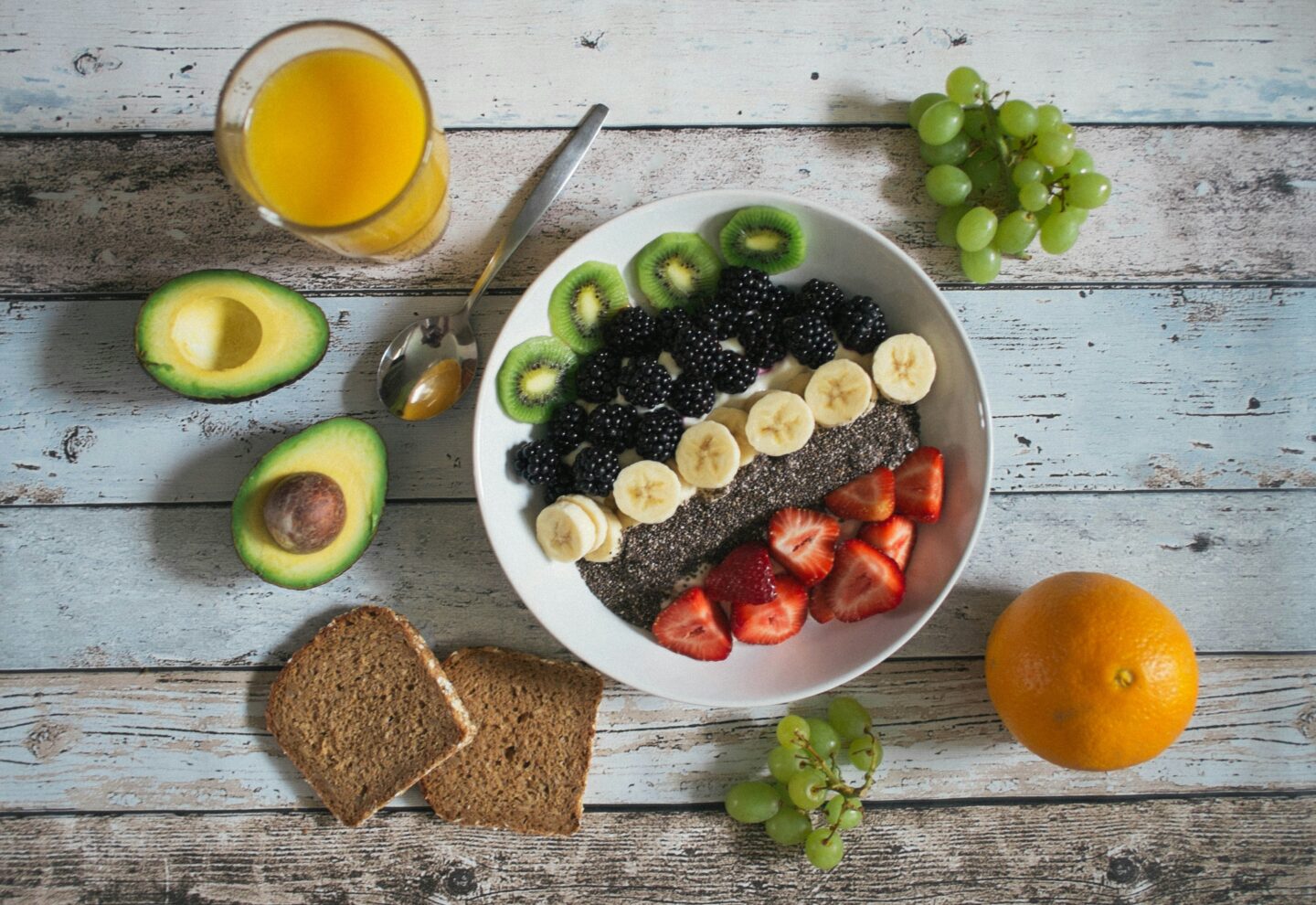
Photo by Jannis Brandt on Unsplash
The Gut-Brain Axis Explained
You’ve likely experienced a “gut feeling” or felt “butterflies” in your stomach when nervous. These sensations are not just metaphors; they are real-time examples of the powerful communication pathway between your digestive system and your brain. This connection, known as the gut-brain connection, is a two-way street. Your emotional state can affect your digestion, and conversely, the state of your gut can influence your mood and cognitive function. A healthy gut microbiome, filled with beneficial bacteria, helps produce neurotransmitters like serotonin, which regulates mood. Supporting this connection through diet and lifestyle is fundamental for both mental and physical wellness. For older adults managing daily health routines, services like home care can be instrumental in preparing nutritious meals that support this vital axis.
Probiotics and Prebiotics for Wellness
To cultivate a healthy gut, it’s helpful to understand the roles of probiotics and prebiotics. Probiotics are live, beneficial bacteria found in certain foods and supplements. They help maintain or restore a healthy balance in your gut microbiome. Prebiotics, on the other hand, are types of fiber that feed these beneficial bacteria.
- Probiotic Sources: Fermented foods are excellent sources of probiotics. Think yogurt with live cultures, kefir, sauerkraut, kimchi, and kombucha.
- Prebiotic Sources: Foods rich in prebiotic fiber include onions, garlic, bananas, asparagus, and whole grains.
Including a mix of both in your diet helps ensure that the good bacteria in your gut can thrive. Research continues to explore the wide-ranging effects of probiotics on everything from digestion to immune health.
Dietary Fiber and Digestive Health
Dietary fiber is essential for keeping your digestive system running smoothly. It comes in two forms, both of which are important for gut health. Soluble fiber dissolves in water to form a gel-like substance, which can help lower cholesterol and balance blood sugar. It’s found in oats, apples, beans, and carrots. Insoluble fiber does not dissolve in water and adds bulk to your stool, promoting regular bowel movements and preventing constipation. You can find it in whole wheat flour, nuts, cauliflower, and green beans. A diet rich in both types of fiber not only supports regular digestion but also nourishes the beneficial microbes living in your gut.
How Hydration Impacts Digestion
Water is a simple but powerful tool for digestive health. Proper hydration is necessary for your body to break down food and absorb its nutrients effectively. Water helps soften stool, making it easier to pass and preventing constipation, which is a common digestive complaint. When you don’t drink enough fluids, your large intestine pulls water from your stool to maintain hydration, leading to harder, more difficult-to-pass waste. Aim to drink water consistently throughout the day, rather than waiting until you feel thirsty. Herbal teas and water-rich foods like cucumbers and watermelon also contribute to your daily fluid intake.
Supporting Digestive Health at Home
Creating a gut-friendly lifestyle goes beyond just one meal. It’s about building consistent, healthy habits. Start by incorporating more whole foods into your diet, focusing on a variety of fruits, vegetables, and whole grains to get a good mix of fibre, vitamins, and minerals. Pay attention to how you eat; chewing your food thoroughly and eating without distractions can improve digestion and nutrient absorption. Managing stress through activities like walking, meditation, or yoga can also have a positive impact, as stress can disrupt the balance of your gut bacteria.
Simple daily choices add up over time. By focusing on a balanced diet, staying hydrated, and managing stress, you can create a strong foundation for digestive health and long-term vitality.
Leave a Reply