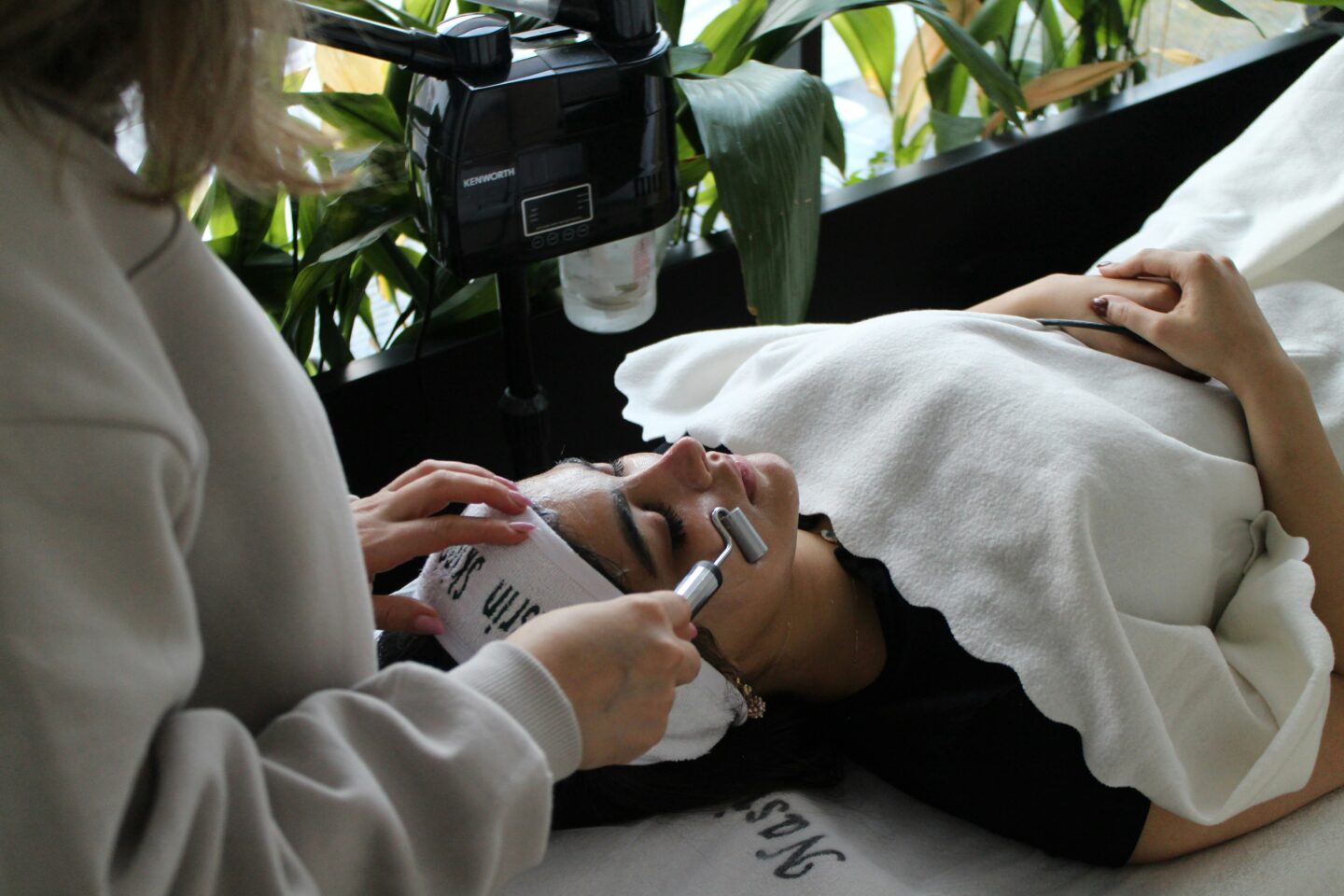
Image Credit: Unsplash
The world of skincare now offers much more than just daily cleansers and moisturizers. Today, cosmetic procedures offer powerful ways not only to enhance appearance but also to improve your skin’s underlying health. Still, the sheer number of options can feel overwhelming, making it hard to tell what’s true from what’s not. The first step toward reaching your skin health goals is understanding what modern treatments involve, their benefits, and how to approach them safely.
Understanding Modern Skin Treatments
Modern cosmetic procedures are much more complex than many people realize. They range from surface treatments that refresh the skin to more focused interventions for specific concerns. Treatments such as chemical peels, microdermabrasion, and laser resurfacing work by removing damaged outer layers of the skin. This reveals healthier cells underneath and stimulates collagen production. These are excellent for improving texture, tone, and overall brightness.
Other treatments work deeper, on a muscular or subdermal level. For example, neuromodulators like Botox are primarily known for smoothing fine lines and wrinkles by temporarily relaxing facial muscles. Dermal fillers, on the other hand, restore lost volume and can shape facial features or fill in deeper creases. Each type of procedure aims for a different outcome, and often, they can be combined for a more complete result.
Benefits Beyond Aesthetics
Although the visible improvements from cosmetic procedures are often the main reason people seek them out, many treatments also offer significant long-term benefits for skin health. Procedures that stimulate collagen and elastin production, such as microneedling or certain laser therapies, help strengthen the skin’s structure. This makes it more resilient, firm, and better able to hold moisture.
For instance, specific light and laser therapies can effectively manage redness and inflammation from rosacea or reduce the bacteria that causes severe acne. The idea of functional medicine in aesthetics highlights that external appearance often reflects internal health and that treatments can be part of a broader wellness strategy.
Making Informed Choices
Deciding to get a cosmetic procedure requires careful thought and research. Your first step should be to clearly define your goals. Knowing what you want to achieve will help you and your provider narrow down the best options. It’s also important to have realistic expectations about the results, recovery time, and potential costs.
Many providers recommend specific skincare routines before and after treatment to maximize results and minimize side effects. Following a dedicated post-procedure skincare regimen can significantly affect the healing process and how long your results. This might involve using gentle cleansers, avoiding direct sun exposure, and applying specialized serums or moisturizers.
Exploring Options with an Expert
A board-certified dermatologist, plastic surgeon, or licensed aesthetician can thoroughly assess your skin and recommend the safest and most appropriate treatments for you. During a consultation, you should feel comfortable asking questions about the provider’s experience, the specifics of the procedure, and any potential risks.
A good provider will take the time to understand your medical history, lifestyle, and aesthetic goals before creating a personalized treatment plan. They will explain why a particular procedure is a good fit and what you can expect during and after the treatment. This collaborative process ensures you feel confident and secure in your decision.
Approaching cosmetic treatments with knowledge and professional guidance helps you achieve results that support both your confidence and your long-term skin health. The goal isn’t to change who you are, but to help your skin be its healthiest and most vibrant self.
Leave a Reply