There are so many potential additions you can make to the exterior of your home, and it’s a good idea to know about them. One which you might want to consider in particular is a deck. Building a deck for your exterior can transform your outdoor space into a functional and inviting area for relaxation, entertaining, or simply enjoying nature. While it might seem like a daunting project, with the right planning, materials, and tools, you can construct a deck that’s both durable and visually appealing.
Planning and Design
The first step in building a deck is careful planning. Consider the size, shape, and location of your deck in relation to your home and garden. Think about how you intend to use the space – whether for dining, lounging, or as a play area – as this will influence the overall design. Check local building codes and obtain any necessary permits before starting construction to ensure your deck meets safety and regulatory standards. Choosing the right materials is crucial. Common options include pressure-treated timber, cedar, redwood, and composite decking. Each material has its advantages: natural woods offer warmth and character, while composite materials are low-maintenance and highly resistant to rot, insects, and weathering.
Structural Considerations
The structural integrity of your deck depends on a well-built frame. Start with strong support posts anchored securely in the ground, often set in concrete footings for stability. Beams and joists form the skeleton of the deck, providing the framework for the decking boards. Ensure the frame is level and square, as this will make installation of the decking boards smoother and prevent uneven surfaces.
Installing Decking Boards
Once the frame is in place, you can begin installing the decking boards. Space the boards evenly to allow for expansion and water drainage. Using the right fasteners is essential for both safety and longevity. Deck screws are specifically designed for outdoor use, with coatings that resist corrosion and prevent loosening over time. They provide a secure hold, reducing the risk of boards lifting or warping. Stainless steel or coated deck screws are typically recommended, as they withstand weather exposure far better than standard nails.
Finishing Touches
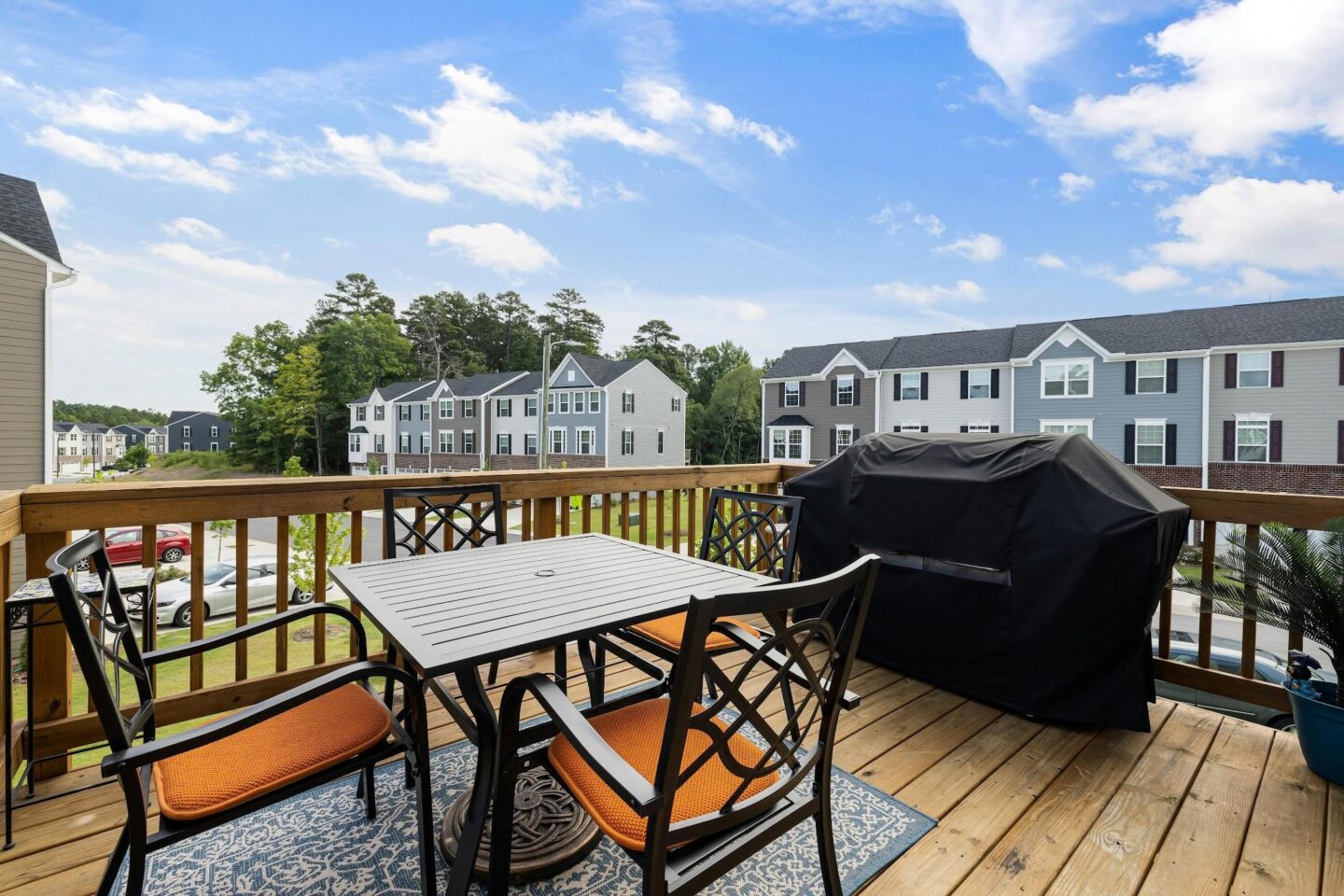
After the boards are installed, consider adding finishing touches to enhance the functionality and aesthetic of your deck. Railings, stairs, and built-in seating can improve safety and usability. Staining or sealing the deck helps protect the wood from moisture, UV damage, and general wear, extending the lifespan of your investment.
Maintenance Tips
To keep your deck looking and performing its best, regular maintenance is key. Sweep away debris, clean the surface annually, and inspect the structural components for signs of wear or damage. Tighten any loose deck screws and replace boards if necessary. Proper care ensures your deck remains safe, attractive, and enjoyable for years to come.
Leave a Reply