Thinking about getting healthier can feel like a lot. We all want to feel great, but figuring out where to begin is often the trickiest part. Should you hit the gym, catch more Zs, or overhaul your diet? Good news: you don’t have to guess. Simple tech can help you track your habits, giving you a clear picture of your current wellness and pointing out easy ways to improve.
Please note – this is a guest blog placement.
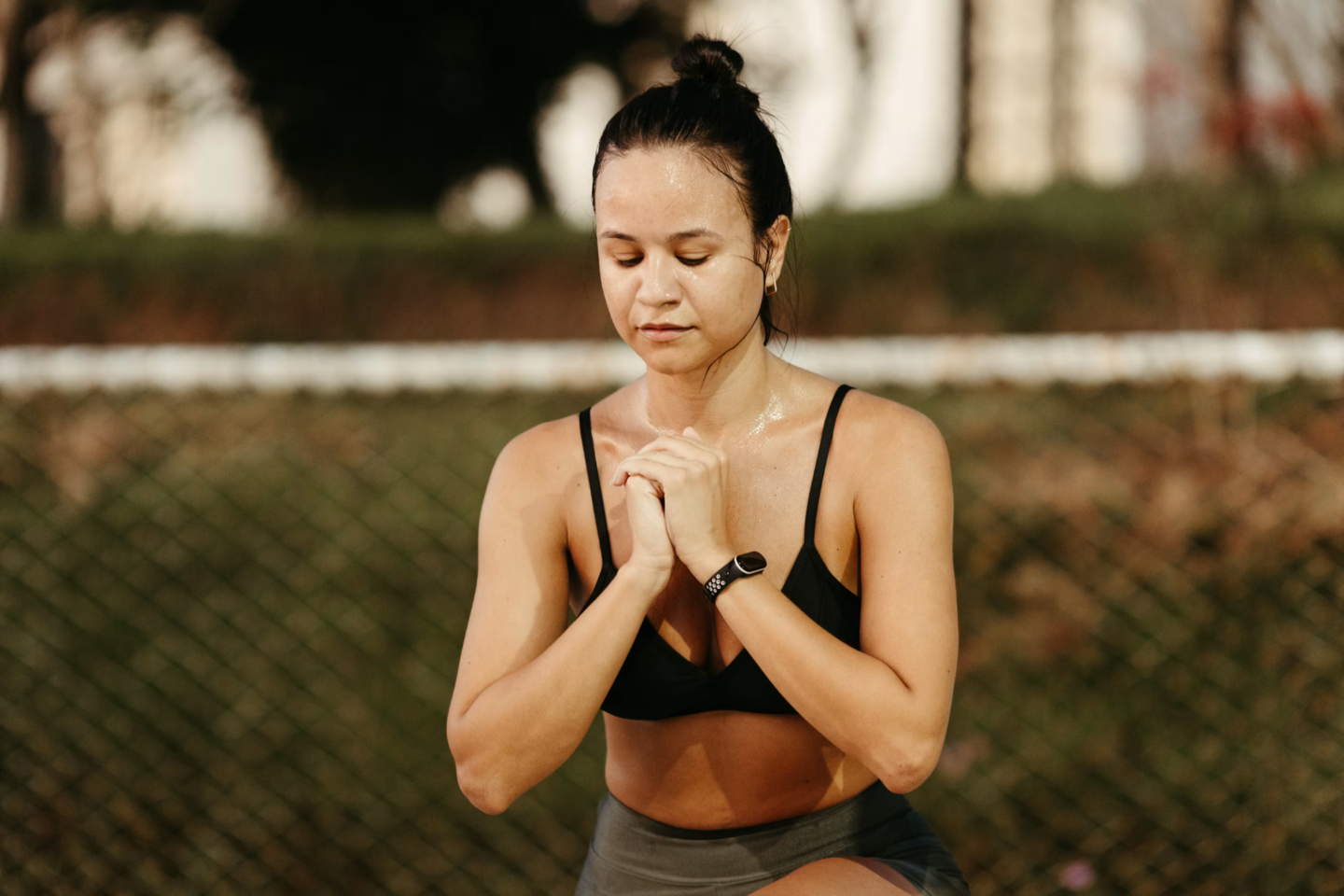
Image Credit: Unsplash
Understanding Your Health Metrics
Before you can aim for anything, it’s good to know where you’re starting from. Health metrics are just the numbers that show what you do each day and how your body is working. This could be things like how many steps you take, how many hours you sleep, your heart rate, or how active you are.
Looking at these numbers isn’t about judging yourself or comparing your stats to others. It’s about figuring out your own personal baseline. You might think you get a solid eight hours of sleep, but tracking could show it’s closer to six and a half. Or you might notice that on your most active days, you feel the most energetic and positive. This info gives you powerful, personal insights you can use to make real changes.
Setting Attainable Wellness Goals
Once you get a better handle on your habits, you can start setting goals that actually make sense for you. The trick is to skip vague ideas like “get healthier” and instead focus on small, specific actions. This makes it way easier to stay motivated. For tips on setting good goals, it helps to understand the ideas behind well-being goal setting.
Instead of planning to run a marathon next month, you could start by aiming to walk for 20 minutes three times a week. If your tracker shows you’re sitting for long stretches, you could set a reminder to stand up and stretch every hour. There are lots of great examples of health goals you can try, from drinking more water to adding five minutes of mindfulness to your day. The best goals are the ones that fit into your life and feel doable.
Wearable Devices for Daily Tracking
One of the easiest ways to keep an eye on your health numbers is with a wearable device. Smartwatches and fitness trackers automatically gather data all day long, so you don’t have to worry about writing everything down. They can count your steps while you’re out and about, check your sleep quality, and even nudge you to move.
Having this info right there on your wrist makes it simple to see how you’re doing. You don’t need the newest, most expensive model either; a reconditioned Apple Watch gives you access to activity tracking, heart rate monitoring, sleep insights, and other everyday wellness features without paying the premium price of buying new. It’s a practical way to start tracking your health while staying within budget.
Integrating Tech into Your Routine
A new gadget is only helpful if you actually use it every day. To get the most from your tracker, find a simple routine that works for you. Maybe you spend a few minutes each morning looking at your sleep data from the night before, or check your step count in the evening to see if you fancy a short walk before bed.
Use the features to help you reach your goals. Set up alerts to remind you to drink water or get up from your desk. Many devices also let you log workouts, which can feel really satisfying. The idea is to let the tech do the work for you, giving you gentle nudges that help you build good habits over time.
Mindfulness and Digital Detox
While tracking data can be super useful, it’s also important to have a healthy relationship with technology. Wellness isn’t just about numbers, and it’s easy to get a bit too focused on hitting targets. Remember, your tracker is a tool, not your boss. It’s there to give you information, but you should always listen to your body first.
Lots of wearables now have features for mental well-being, like guided breathing exercises and mindfulness reminders. Use these to help you de-stress. And it’s totally fine to take a break from tracking sometimes. Honestly, the best thing for your well-being might be to switch off, go for a walk without worrying about steps, and just enjoy the moment.
Ultimately, using technology to track your habits is all about giving yourself knowledge. It provides the info you need to make small, lasting changes that add up to a healthier, happier you.
Leave a Reply