How many of us know somebody that has dementia?
How many of us have witnessed the pain and suffering that comes with dementia?
How many of us know about the amazing care that takes place in this country under The Butterfly Model?
I have witnessed dementia twice in my life, and I am just a mere 27 years old. I’ve seen what the progressive disease can do to the person suffering and those around that person. It’s not easy for either, but more often than not I see people caring for those with dementia as if they are no longer with us. They may act different, remember things differently or not at all, but our love, support and care is what can make all the difference.

I got the amazing opportunity to speak to Charlie Hoare, Managing Director of Huntington & Langham Estate. The Huntington and Langham Estate is a premium care home that specialises in offering high quality residential, nursing and dementia care surrounded by 30 acres of gardens and woodland. The story started 40 years ago in a lovely village in Surrey, and here we are today speaking to Charlie to find out how they keep the estate going, what is the butterfly model and how their care can help those suffering with dementia and their families.
Q: Hi Charlie, what a fantastic cause you and your family support! A lot of people don’t know the difference between what you do and offer for the people suffering with dementia compared to the ‘traditional’ service led care offered in majority of care homes across the UK. Please could you tell us what makes Huntington and Langham Estate so special…
We follow the Butterfly Model of care, which adopts a ‘Feelings Matter Most’ approach. The care model strips away any tasks, routines or institutional culture that have been put in place for the benefit of the staff, and make sure that everything happens for the benefit of the residents. For example, each household has its own kitchen area, so if someone doesn’t want to eat during the main mealtimes, then people are able to make, or be made, something whenever they become peckish.
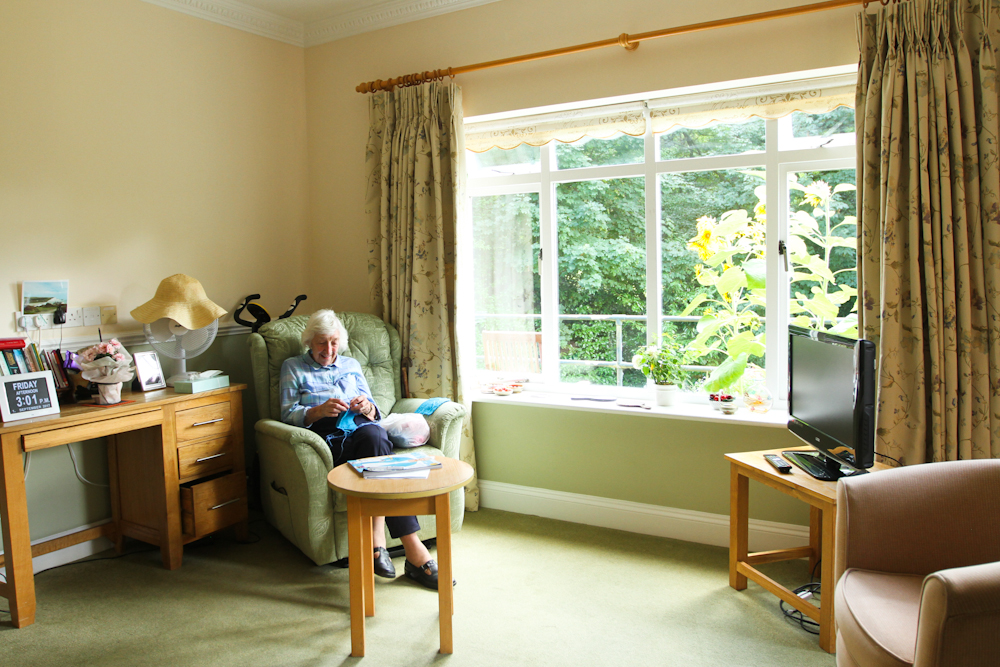
Likewise with activities, instead of creating a programme of activities based on providers we have chosen to visit the home, we have a team of staff called homemakers who enable people to continue living the lives they would live at home. For example, one of our residents moved in with their beloved bearded collie, and continues to go for daily walks with the support of one of the homemakers. Another resident has continued their love of cycling by being supported to use an exercise bike that has been acquired for them.
Q: What made you want to follow in the footsteps of your family and continue this life-changing business?
I think I always knew that I would be involved in the family business one day, as none of my other jobs ever gave me the sense of purpose I was looking for. The need to make a difference to people’s lives must have been instilled in me from growing up in the nursing home, and so it just became more and more obvious that this was my calling.
Since then I have found that it has also helped me grow as a person. Everything I’ve learnt about the Butterfly Model and case management companies isn’t just about good dementia care, it’s applicable to almost all aspects of our lives, whether it’s looking after your own children, or even yourself, learning to recognise and priorities feelings and emotions is vitally important.
As an empathetic person, other businesses or careers may have deemed me soft or weak, but the family business (and most of the care industry) recognise it as a strength, and prioritises it in anyone working with it, particularly for people working in leadership positions. And not only is that my mum’s legacy that I want to continue, but also one I want to pass down to my own children.
Q: What noticeable differences have you seen since operating The Butterfly Model?
People with dementia can often be labelled by their behaviour, such as ‘aggressive’ or ‘depressed’, which can be written off as symptoms of their disease. But time and time again we have seen that with the Butterfly approach people remain calmer in situations that would have previously frustrated them, and show signs of engagement in situations where they would have previously been withdrawn.
When one resident started playing the piano after each mealtime we were told by their family that they used to play at home after Sunday lunch every week but had stopped months ago, which they had assumed was the dementia. An ex-paediatric anaesthetist used to try to kick his way out of the door until we gave him a stethoscope and a doll in a baby’s crib and he never left its side. Create the right environment and provide the right support and the answers to a lot of the challenges will come.
Q: What tips would you give to anybody trying to understand and deal with the emotions of watching a loved one go through dementia?
Many of the families of the people we look after have acknowledged that it’s one of the most, if not THE most, difficult time in their lives, especially if they’re juggling their career and/or children as well. So, my first tip would be to find someone in a similar situation to talk to, to offload to, to share what has worked or not worked.
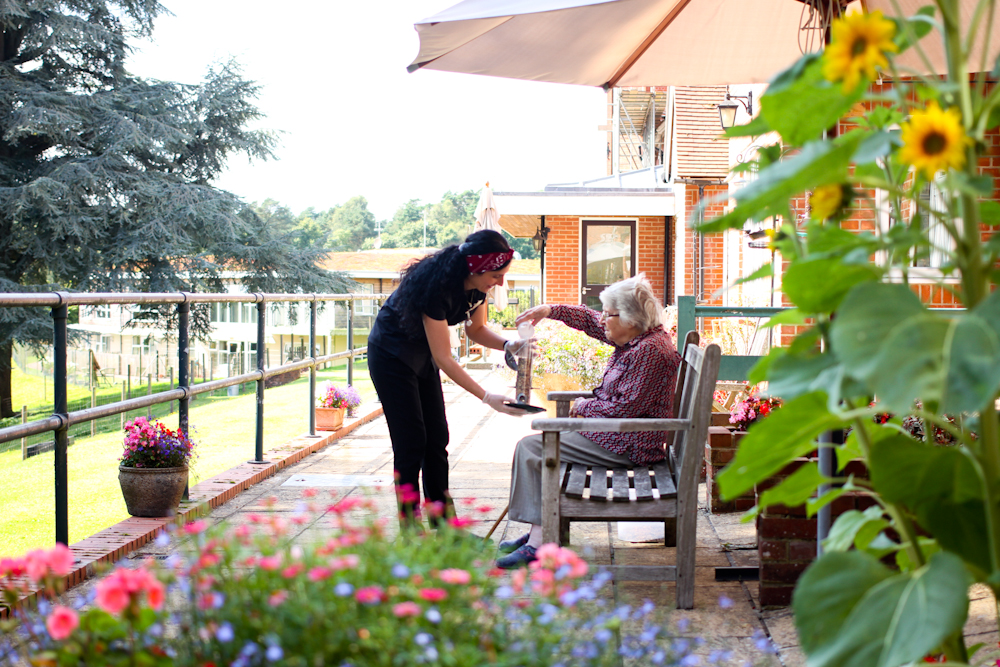
My second tip would be to not be afraid to try things, even if they fail. Many of our most amazing breakthroughs, such as the stethoscope and doll mentioned above, have come through trial and error. We’ve been on the receiving end of some colourful language, blank faces, and much more, but it’s often just their way of saying ‘no thank you’. Keep experimenting with ways to engage and occupy them based on your knowledge of what’s important to them.
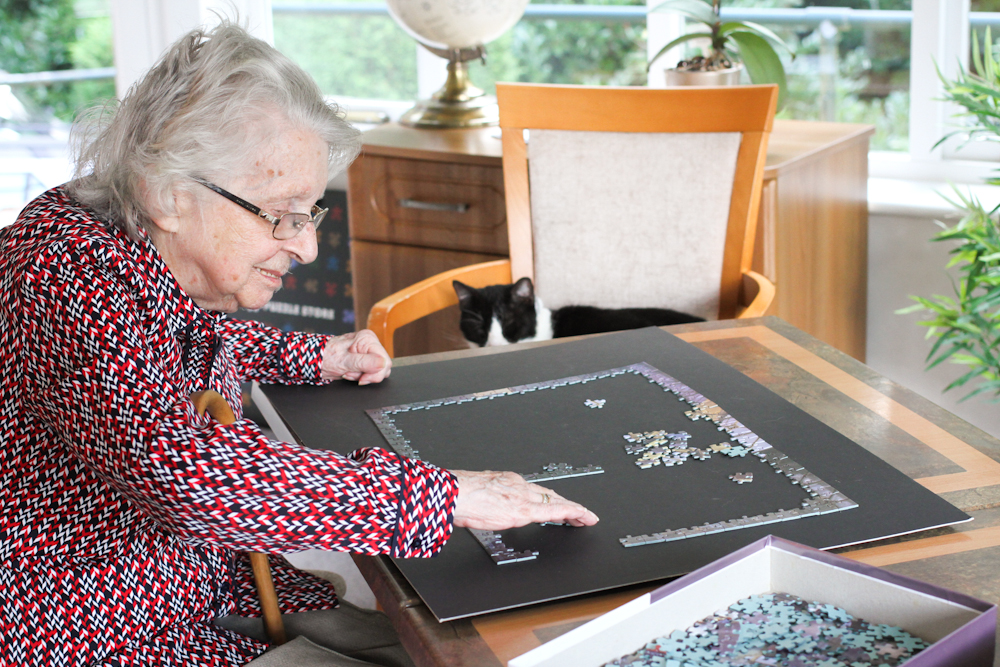
And my final tip would be to enter their reality as best as you can. This is often the hardest thing for people to do, especially if they have known the person for a long time. But if someone with dementia mentions needing to pick their kids up from the school, but their kids are now middle-aged, it doesn’t matter. It usually means one of two things – they are either living in an alternate reality where they truly believe their kids need picking up from school, or they can’t find the words to communicate what they actually want and they are saying a phrase that best fits. Either way, what they need is to feel listened to, respected, and loved.
Thanks Charlie for making me and many others feel uplifted by the support out there for those suffering with dementia. Your passion and knowledge is unbelievable and truly inspiring.
Leave a Reply